

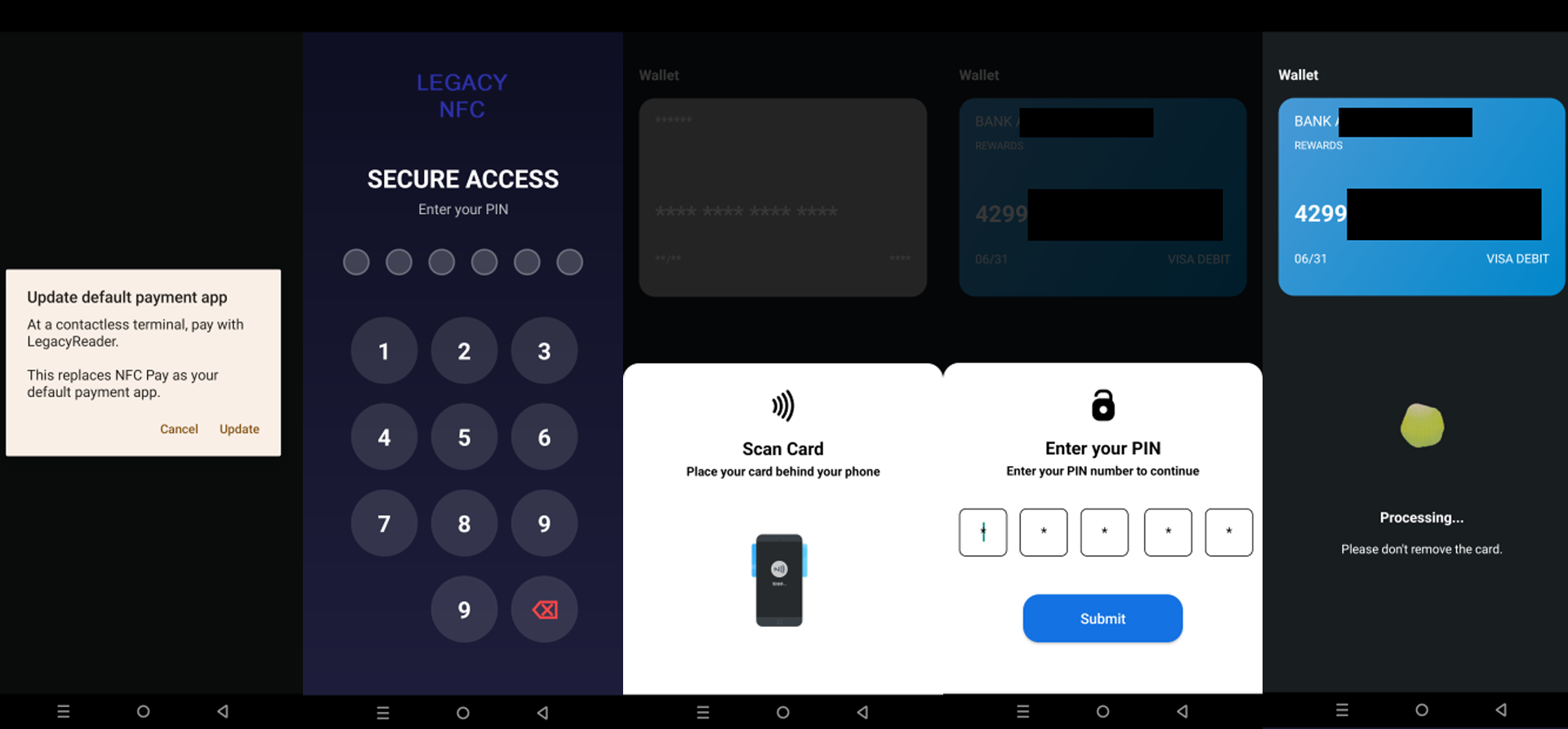
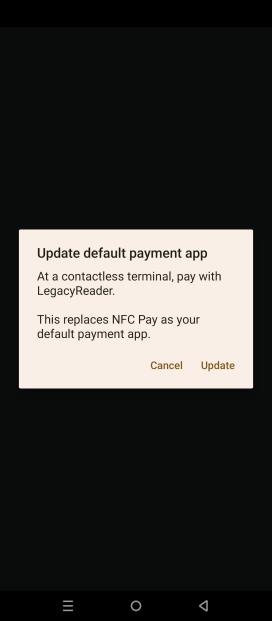
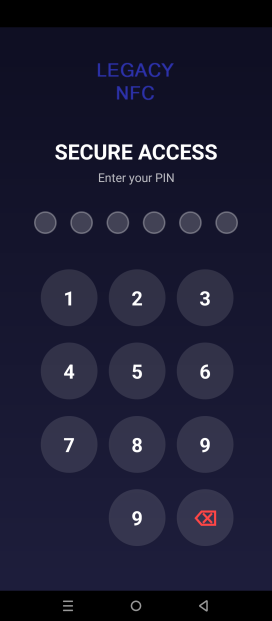
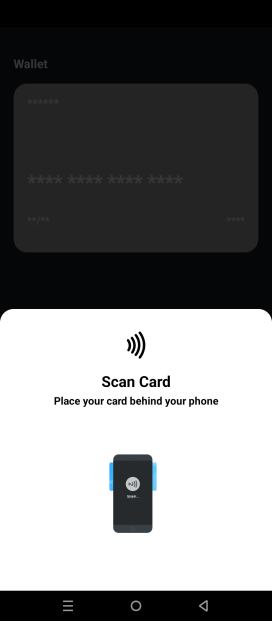
NFC Remote Payment (Relay)
Bringing NFC Communication Beyond Physical Distance.
NFC Remote Payment (Relay) is an advanced NFC communication project developed to enable interaction between NFC devices located in different physical locations. The system uses a relay architecture to establish communication between a remote NFC card and an NFC-enabled terminal, allowing the NFC communication to be transported between two separate locations through a communication channel. The result is a technology platform that demonstrates how NFC communication can be extended beyond its traditional short-range environment.
Remote NFC Communication
Traditional NFC communication requires the participating devices to be physically close to each other. This project introduces a relay-based architecture that separates the two NFC endpoints geographically while maintaining communication between them. A typical scenario involves two participants:
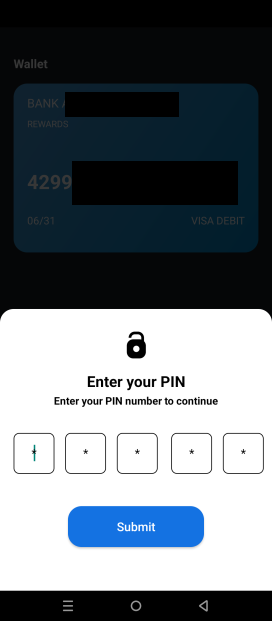
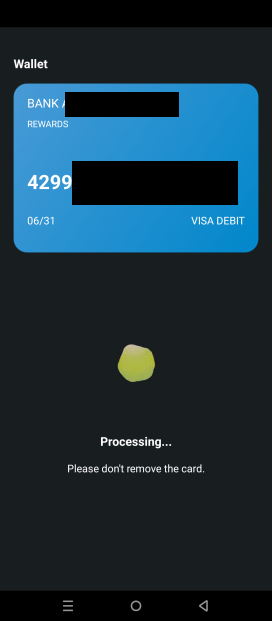
- Remote Card User — The card is placed near the NFC-enabled device at one location. The system communicates with the card and relays the required NFC communication through the remote connection.
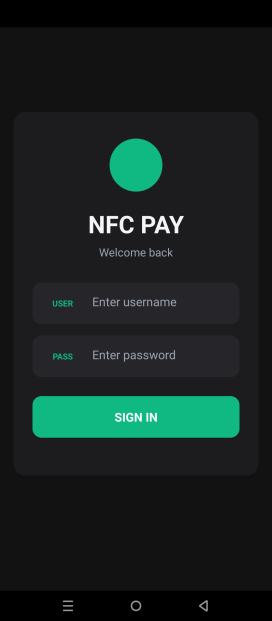
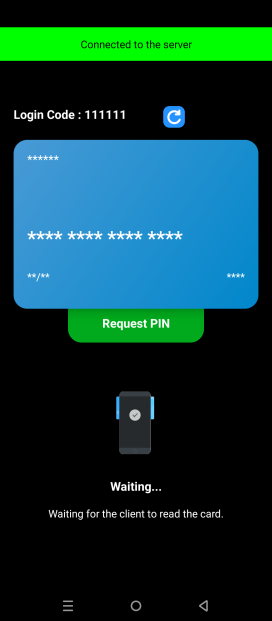
- Terminal User — A second NFC-enabled device or compatible terminal is located at another location. Communication received through the relay is presented to the terminal, allowing the two endpoints to communicate through the remote connection.
This creates a bridge between the two NFC environments while maintaining the communication flow between the endpoints.
How the System Works
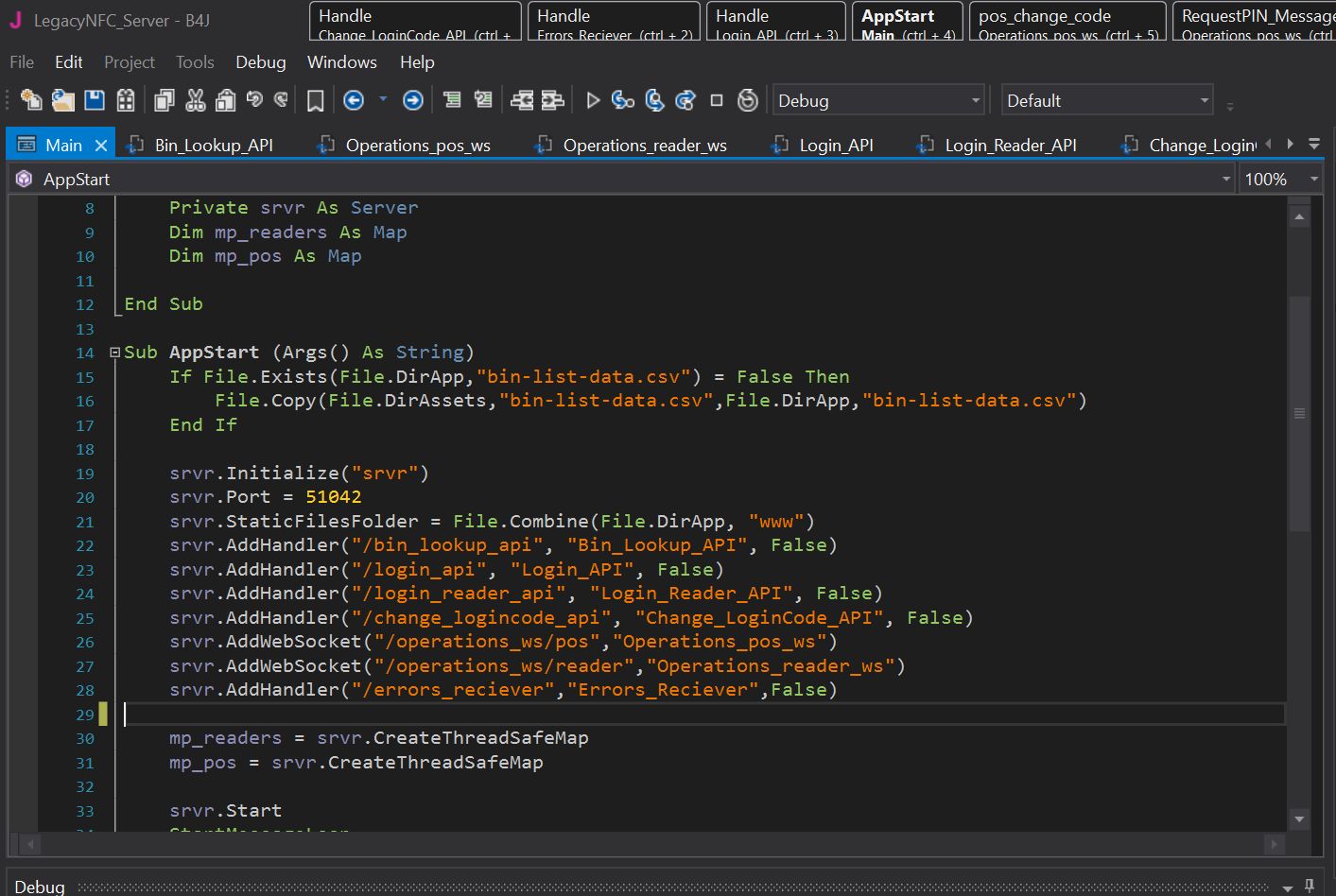
The platform is built around multiple components working together to transport NFC communication between remote locations:
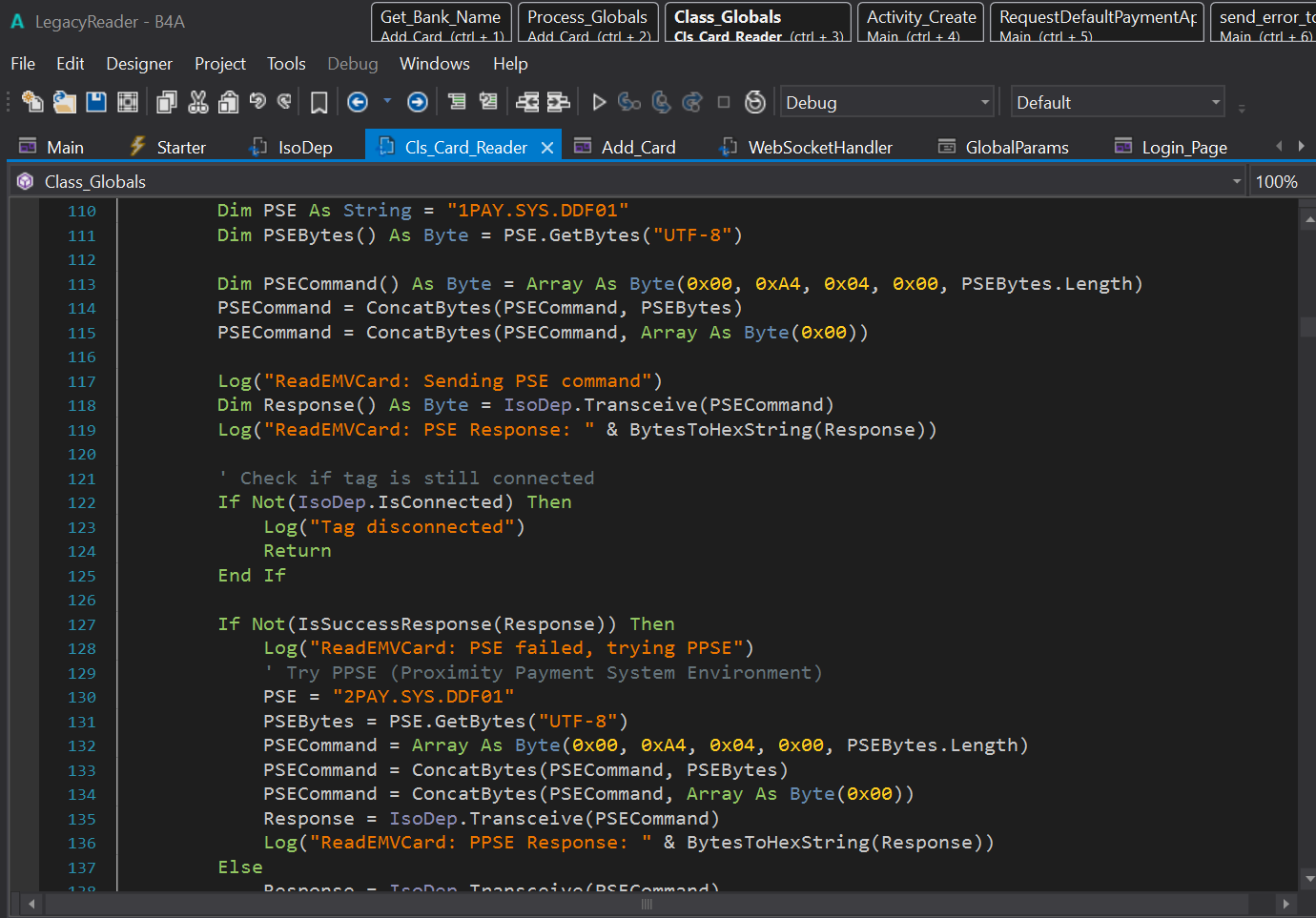
- NFC Card Interface — The card is placed within NFC range of the designated NFC interface, allowing the system to communicate with the card.
- Remote Communication Layer — The system transports communication between the two endpoints through a network connection.
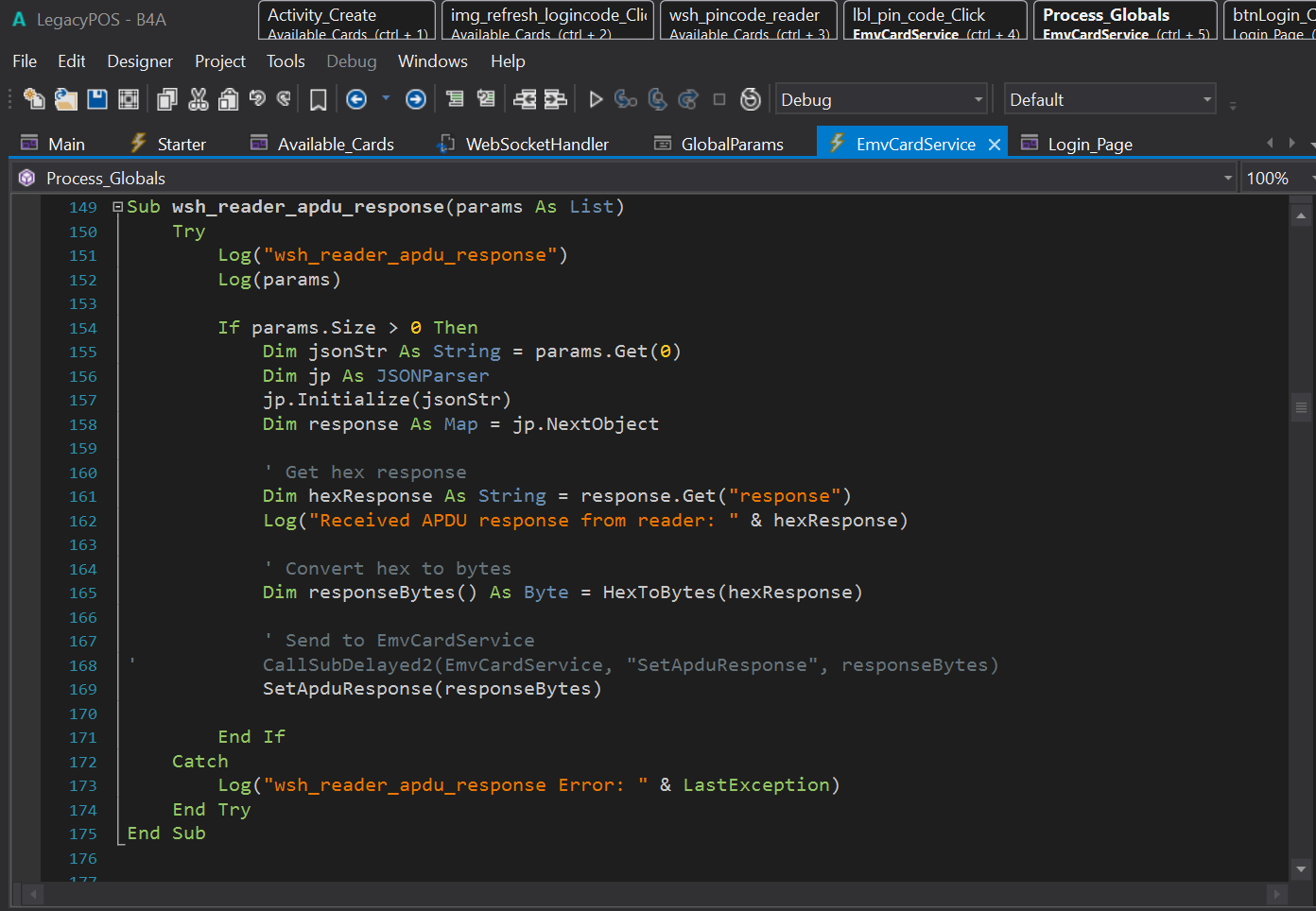
- NFC Terminal Interface — The remote endpoint communicates with the NFC terminal, creating the connection between the physical environments.
The system coordinates these components to maintain communication between the remote NFC endpoints.
Remote Payment Technology
One of the primary demonstrations of the technology is the concept of remote NFC payment communication. For example, a card can be located at one physical location while an NFC terminal is located at another. The relay system provides the communication bridge between the two environments. This demonstrates how NFC-based communication can be transported beyond the physical proximity normally required by conventional NFC communication. The project provides an interesting foundation for exploring new possibilities in remote NFC interaction, contactless technology, and distributed NFC applications.
Real-Time Communication
NFC communication is highly sensitive to timing and responsiveness. The relay architecture therefore requires efficient communication between the remote endpoints. The system is designed around real-time communication principles to minimize unnecessary delays between the NFC interfaces. This allows the project to explore the technical challenges associated with:
- Real-time NFC communication
- Remote endpoint synchronization
- Communication latency
- Data transmission
- NFC interface coordination
- Connection stability
- Remote device communication
Distributed NFC Architecture
The project demonstrates a distributed architecture where NFC functionality is divided between multiple physical locations. Instead of treating an NFC interaction as a single local connection, the system separates the communication endpoints and establishes a network-based bridge between them. This architecture provides opportunities for further development in areas such as:
- Remote NFC applications
- NFC testing environments
- Contactless technology research
- Distributed NFC systems
- Remote device interaction
- NFC interoperability testing
- Experimental payment technology
Designed for Modern Devices
The system can be built around NFC-enabled smartphones and compatible NFC hardware, allowing the technology to integrate with modern mobile environments. Depending on the implementation, the platform can combine:
- NFC hardware
- Mobile applications
- Network communication
- Real-time data transmission
- Remote endpoint management
- NFC terminal interfaces
This creates a flexible architecture that can be adapted to different NFC-based projects and environments.
A Complete NFC Communication Platform
Rather than simply providing an NFC reader or writer, NFC Remote Payment (Relay) combines NFC hardware communication with remote networking to create a complete distributed communication system. The project demonstrates how two NFC environments can be connected through software and communication infrastructure, opening possibilities beyond conventional short-range NFC interactions.
Future Development
The architecture can be extended to support additional NFC devices, improved communication protocols, enhanced monitoring, remote device management, and other NFC-based applications. Its modular design makes it suitable as a foundation for continued experimentation and development in the field of remote NFC communication.
Technical Innovation
NFC Remote Payment (Relay) demonstrates how software and communication infrastructure can extend the capabilities of traditionally short-range NFC technology. By combining NFC interfaces, real-time communication, remote endpoints, and distributed architecture, DynamicX.Codes developed a system capable of connecting NFC environments that would normally need to be physically adjacent.
DynamicX.Codes — Engineering innovative software solutions that connect technology beyond traditional limitations.